Shifting the Focus: Why Competition Horses Need Proactive Prehab
The competitive horse rarely gets to rest. As Dr. Julie Vargas of Limestone Equine Performance Medicine in Lexington, Kentucky, recently explained on The Plaidchat podcast, "Any horse that's in…
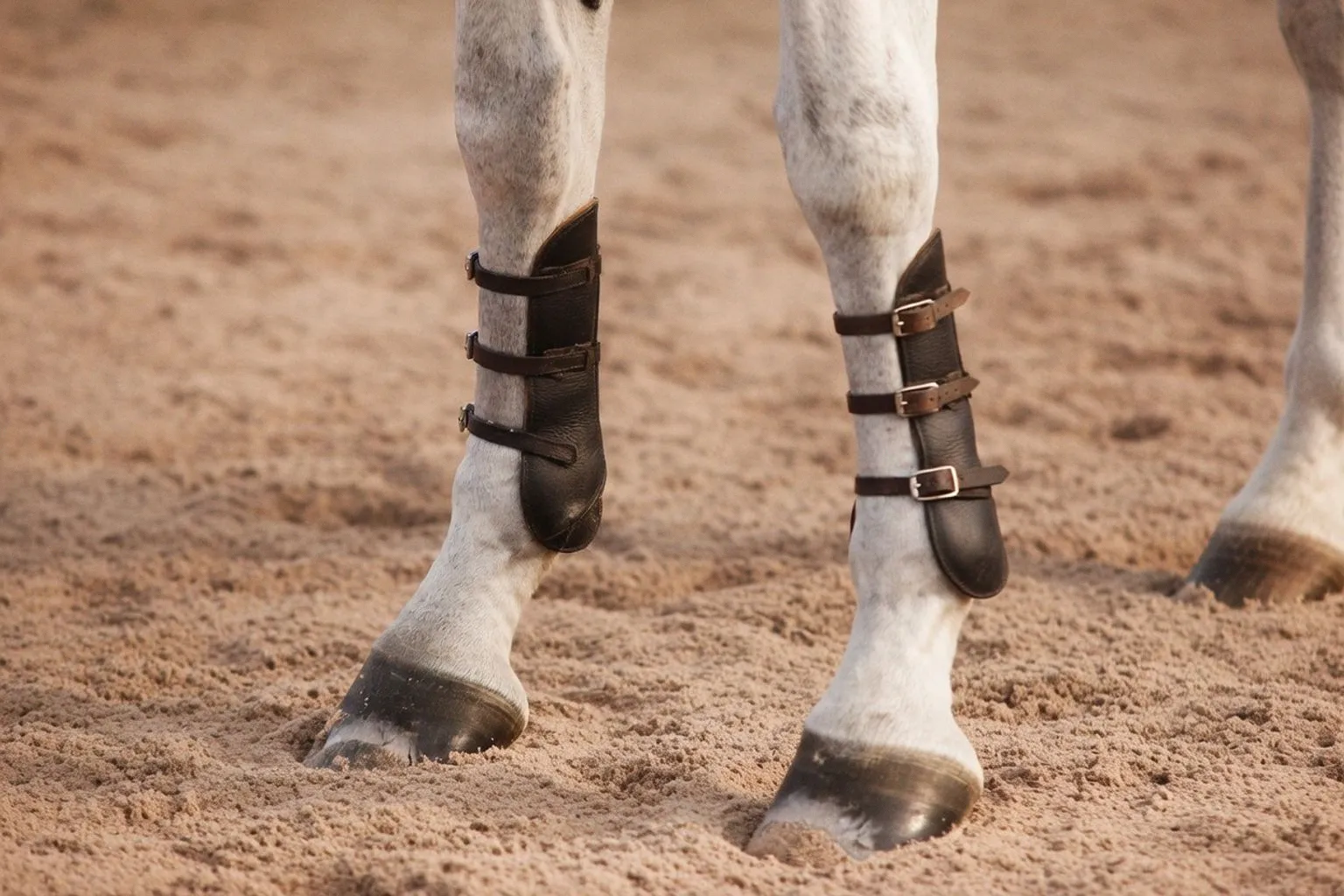
The competitive horse rarely gets to rest. As Dr. Julie Vargas of Limestone Equine Performance Medicine in Lexington, Kentucky, recently explained on The Plaidchat podcast, "Any horse that's in competition should be in some phase of prehab" — a quiet shift in thinking that reframes rehabilitation as preparation rather than repair.
Most riders reach for bodywork after the stumble, the refusal, the uneven step. By then the body has already been speaking in whispers: a shortened stride on the left lead, a poll that hardens under your thumb, a back that drops away from your palm before you ever ask for contact. Prehab invites us to listen earlier, while the story is still small enough to redirect.
The slow build of small stress
After six and a half years overseeing Spy Coast Farm's rehab and fitness center, Vargas has watched the pattern enough times to name it plainly. Sport horses train consistently, travel frequently, compete on different surfaces, and often move from one show directly into the next. Many of them never experience a true season of rest. "The good ones can do that for a little while, but that catches up with everyone," she said.
That repetitive, low-level load settles quietly into bone, joints, tendons, ligaments, and the softer layers beneath the skin. Alongside the tissue changes, the horse begins to compensate — shifting weight off a hind limb, hitching the ribcage upward, bracing the jaw, guarding the withers. When you palpate along the meridian lines with patient attention, you can often feel those adaptations long before they appear on imaging or under saddle as a diagnosed problem. The body keeps the score, and your hands are the first translator.
What prehab can actually look like
Vargas's framework is refreshingly uncomplicated. "The unique aspect about rehab is that we're prescribing movement," she explained. Her short list of accessible tools — carrot stretches several times per week, ground poles for proprioceptive work, varied surfaces underfoot, and water treadmill sessions for cross-training at barns that have them — reads more like a thoughtful weekly routine than a clinical protocol. None of it requires a trailer ride or a specialist appointment. It only asks for daily rhythm.
"For rehab, for prehab, for all of it, it's a daily task," Vargas added. That daily frame is precisely where intentional hands-on work fits. When you settle your hands along the neck, the shoulder, the gluteal line, you are doing what her prescription describes — meeting the tissue where it actually is that morning, rather than where you wish it would be. A shift toward the parasympathetic state, a softening of the breath, a half-inch of yielding under your thumb: these are small clinical wins, and they accumulate the same way the compensations did.
Starting with the horse in front of you
A useful first question is also the simplest one: where does your horse guard? Slide an open palm slowly down the topline and feel for a subtle hitch — a held breath, a flinch, a sudden dip away from pressure. Pair that observation with a quiet three minutes of carrot stretches before you tack up. Notice how the tissue responds under your thumb the next time you saddle. That noticing, repeated across weeks and seasons, is prehab in its most tactile form.
Vargas also shared a practical example from Spy Coast Farm. Horses scheduled for major procedures were introduced to the water treadmill before surgery, so that when recovery began the equipment was already familiar. "They knew what was the expectation and what was gonna happen," she said. The same principle translates to groundwork, in-hand walking over poles, and the slow, respectful handling that teaches a horse that vulnerable areas — the belly, the inside of the hind leg, the poll — can be touched without bracing.
The competition horse does not need an elaborate program. It needs consistency, curiosity, and your willingness to feel what is already there, one quiet palm at a time.