How Three Minutes of Equine Interaction Can Significantly Lower Teen Anxiety
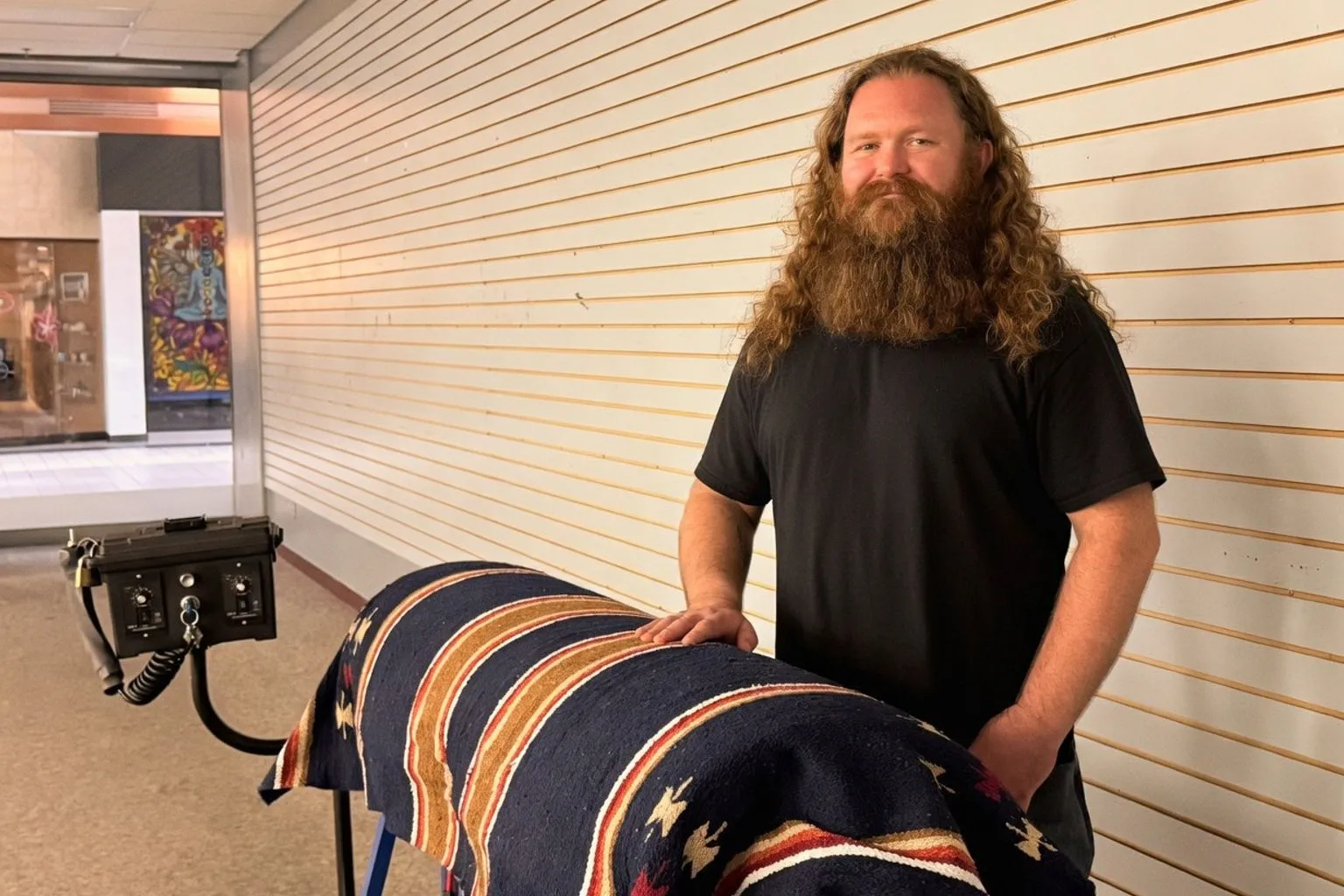
Three minutes of structured contact with a miniature equine measurably reduces anxiety in teenagers, according to a study published in Scientific Reports by researchers at UC Davis.
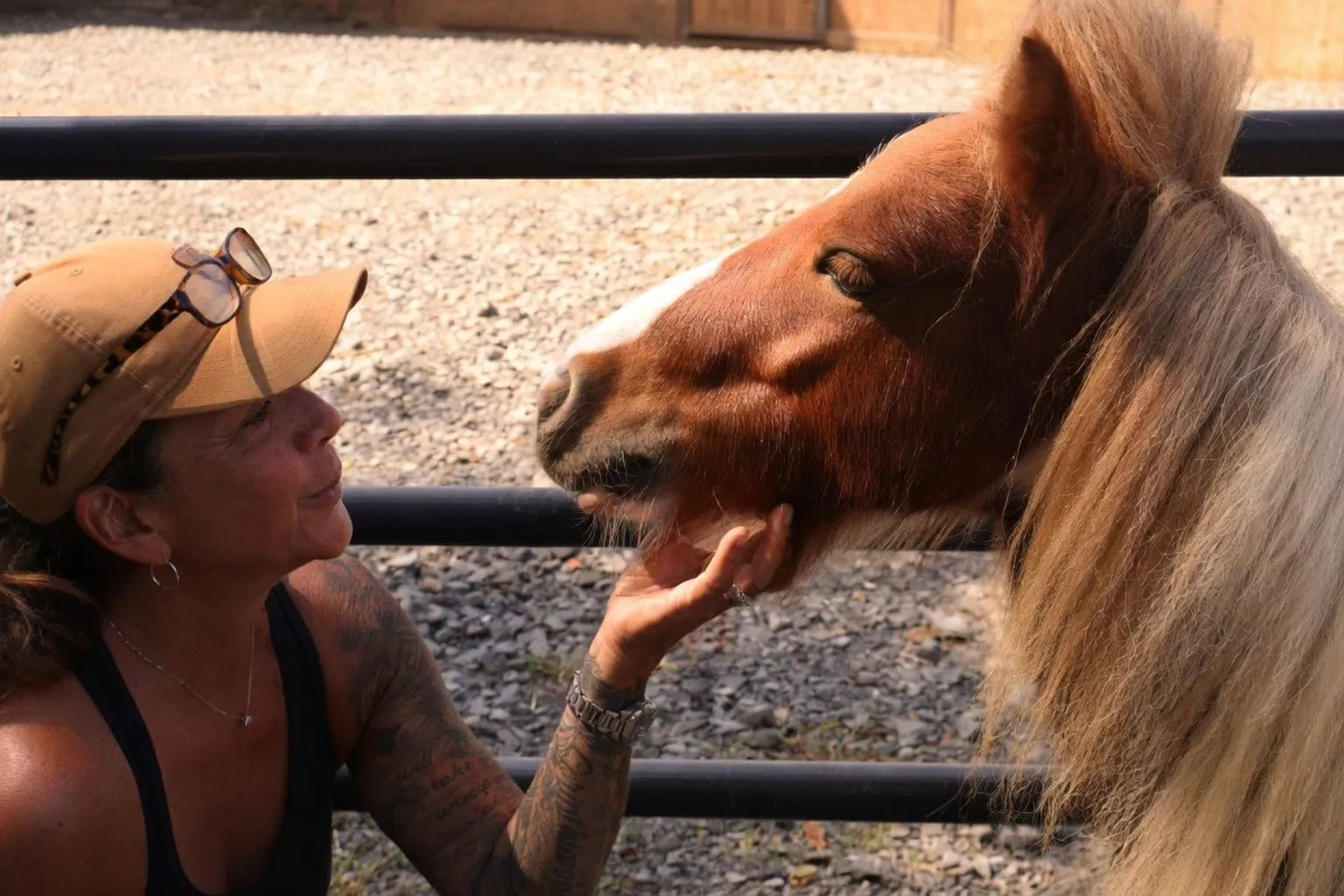
The brief tactile session is sufficient to shift participants toward a calmer nervous system state. For bodywork and equine-assisted practitioners, the data point offers a quantitative anchor for an effect we have tracked qualitatively for years.
Dose below standard session length
The study documents a regulatory shift after three minutes of structured tactile interaction. That window is shorter than a complete myofascial assessment on a single equine limb and shorter than a single forelimb shiatsu sequence. The implication: contact itself, not total session duration, appears to carry the active signal. As the researchers note, touch and animal presence together support emotional and nervous system regulation.
This is the same channel equine bodywork protocols already exploit when treating riders with elevated sympathetic tone. The UC Davis result places the contact threshold for measurable regulation well below typical clinical session lengths.
Field-level observation
At Hope in Her Eyes, an equine-facilitated therapy program operating since 2019, program lead Amy McCormick has tracked similar patterns across hundreds of sessions with veterans, foster youth, and social workers. Certified through the Equine Assisted Growth and Learning Association since 2022, McCormick stated in a published interview: "Horses just want to be seen — just like people. We want to be seen, we want to be validated, we want to be heard. And they show up — no judgment, no passive-aggressive behaviors."
McCormick frames the mechanism in practical terms. "There is nothing that lives more in the present than a horse," she stated. The participant moves out of cognitive rumination into interoceptive and proprioceptive awareness. This matches the regulatory framing in the UC Davis data.
Cross-source convergence and what to track
A peer-reviewed overview published in the Annali dell'Istituto Superiore di Sanità examined standardized equine-assisted intervention frameworks and reported that structured interactions within naturalistic environments support somatic and psychological recovery across the lifespan. Convergent across both publications: tactile contact with equines produces measurable shifts in nervous system state.
For hands-on practitioners, the actionable parameters are limited. In any three-minute tactile block, track contact type (structured touch versus passive proximity), participant state before and after (subjective anxiety score, ideally paired with heart rate variability or respiratory rate), and stage of the rehabilitation cycle. The open question is whether adult and rider-side populations respond on the same curve as the adolescent cohort in the UC Davis sample, and how the dose scales across multi-week recovery programming.