Advanced Equine Bodywork: Integrating Massage and Vertebral Realignment
According to The Northwest Horse Source, an intensive six-week Advanced Equine Professionals Massage and Vertebral Realignment Program began on September 14, 2026, in Guelph, Ontario, bringing…
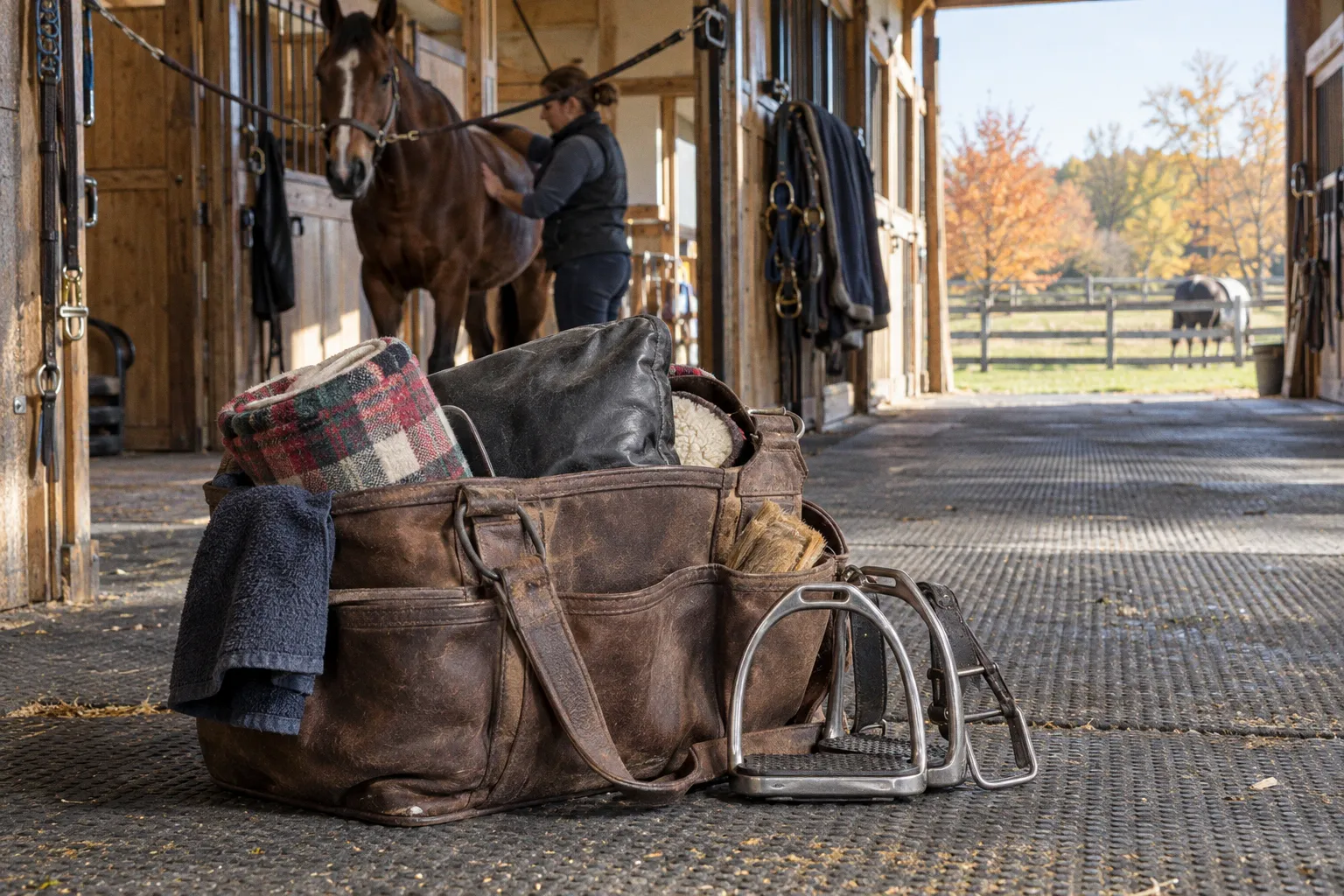
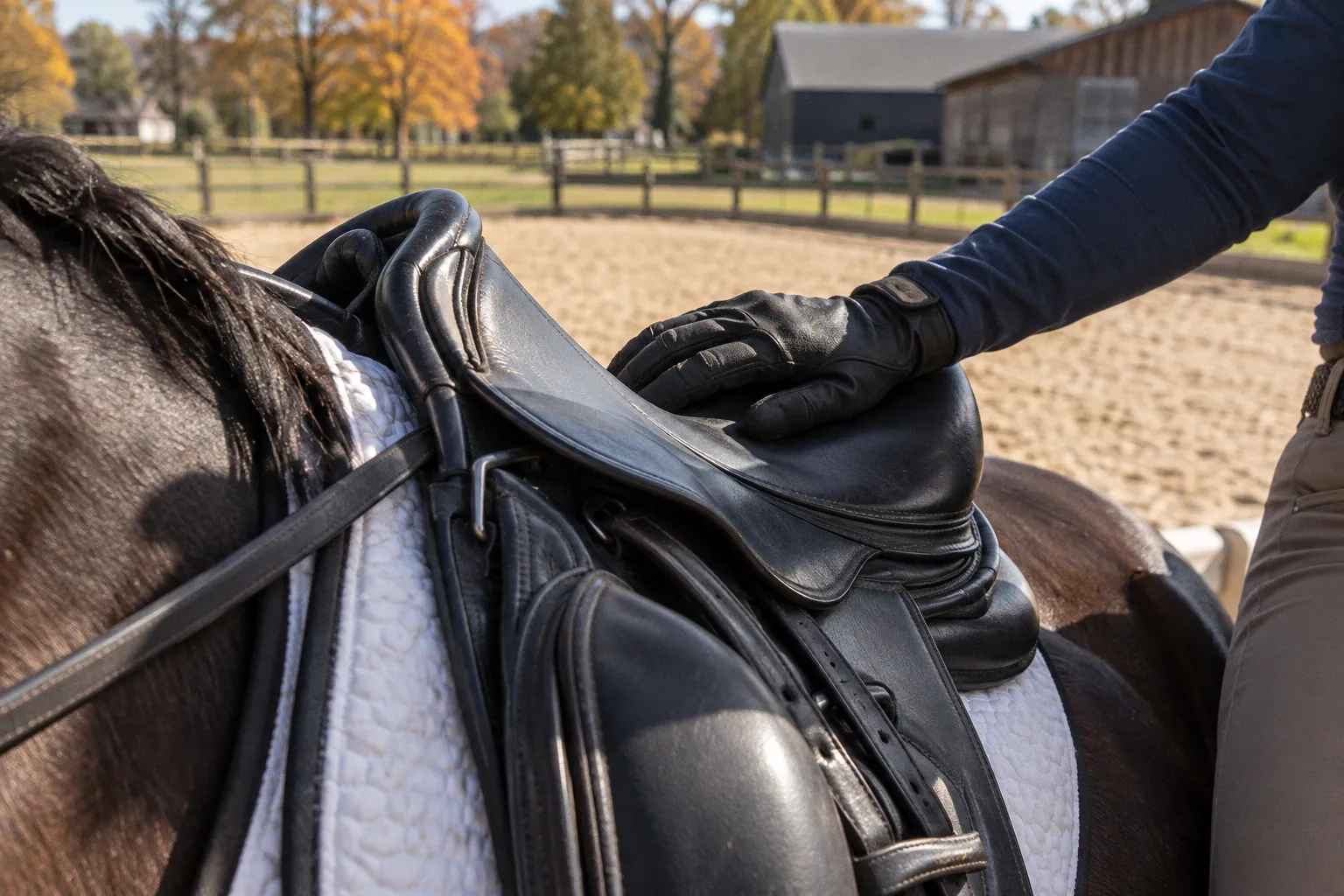
When you notice a horse guarding one side of the back, shortening the stride, or becoming uneasy beneath the saddle, the first useful step is often not a stronger correction, but a quieter observation. According to The Northwest Horse Source, an intensive six-week Advanced Equine Professionals Massage and Vertebral Realignment Program began on September 14, 2026, in Guelph, Ontario, bringing massage therapy, saddle fit, lymphatic drainage, and advanced palpation into one hands-on course. For bodyworkers and attentive owners, the timing is a reminder that careful touch remains inseparable from good observation.
A training event built around the whole horse
The program runs from September 14 through October 23 and is designed for professional bodyworkers, according to the source material. Its curriculum includes equine massage, horse handling, saddle fit, lymphatic drainage, advanced palpation, vertebral realignment, more than 30 assessments, and a collection of stretches described as safe for practitioners and horses.
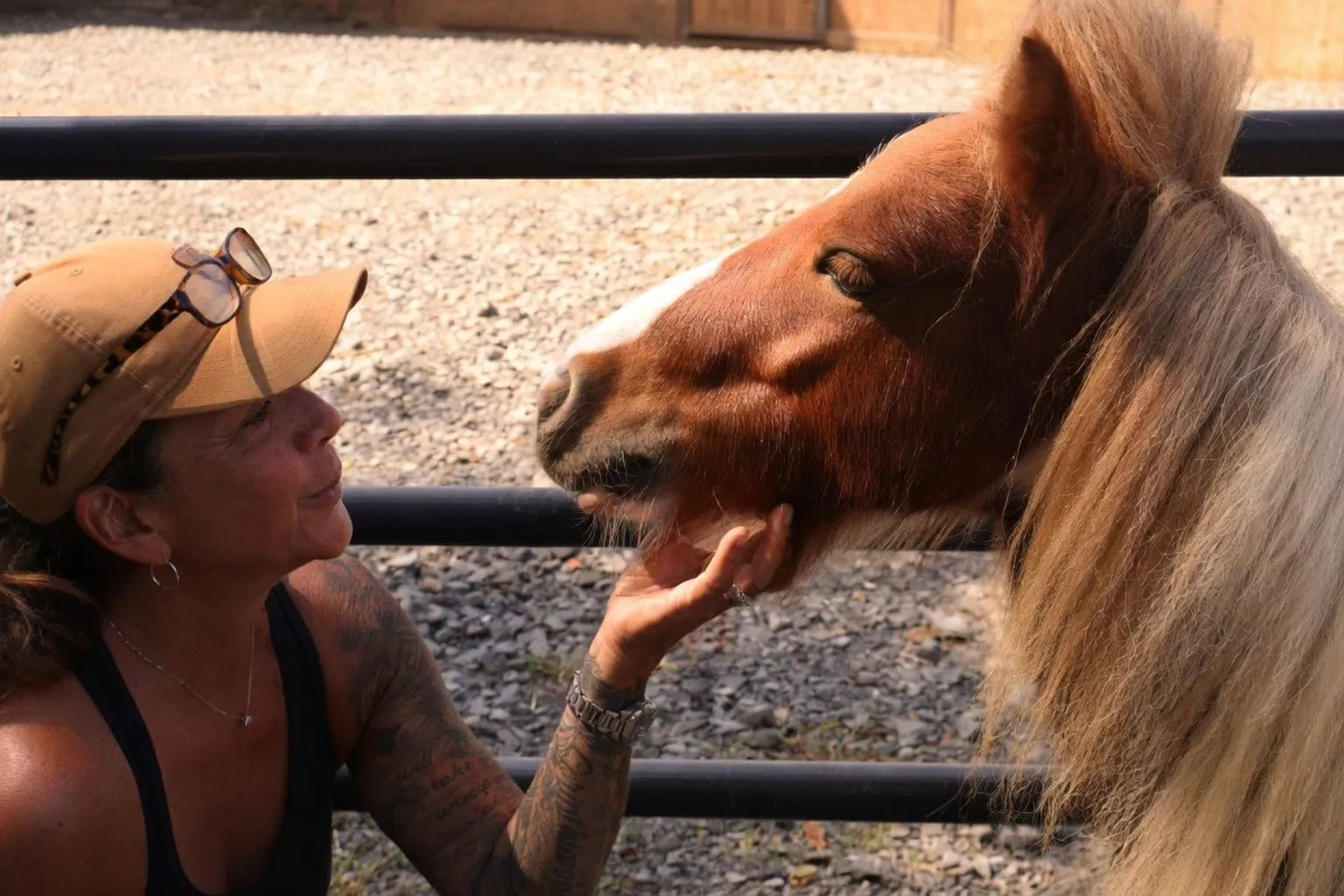
What stands out to me is the emphasis on partnership. The course material presents the horse not as a passive surface to be manipulated, but as an active participant whose responses help shape the work. That principle is familiar to anyone who has placed a hand over a tense shoulder or along a guarded topline and felt the tissue change beneath the palm.
Notice the difference between pressure that invites release and pressure that creates resistance. When you palpate, keep your hand steady enough to listen. A subtle softening, a longer exhale, a lowered neck, or a quiet shift of weight can all become part of the conversation—though none should be treated as a diagnosis on its own.
The program also includes supervised practice with real horses and owner reports, according to the published description. Students are expected to apply what they learn, document their observations, and receive feedback on their work. That practical rhythm matters: touch is not learned from terminology alone, but through timing, posture, and the ability to notice when a horse has had enough.
Touch is meeting technology, too
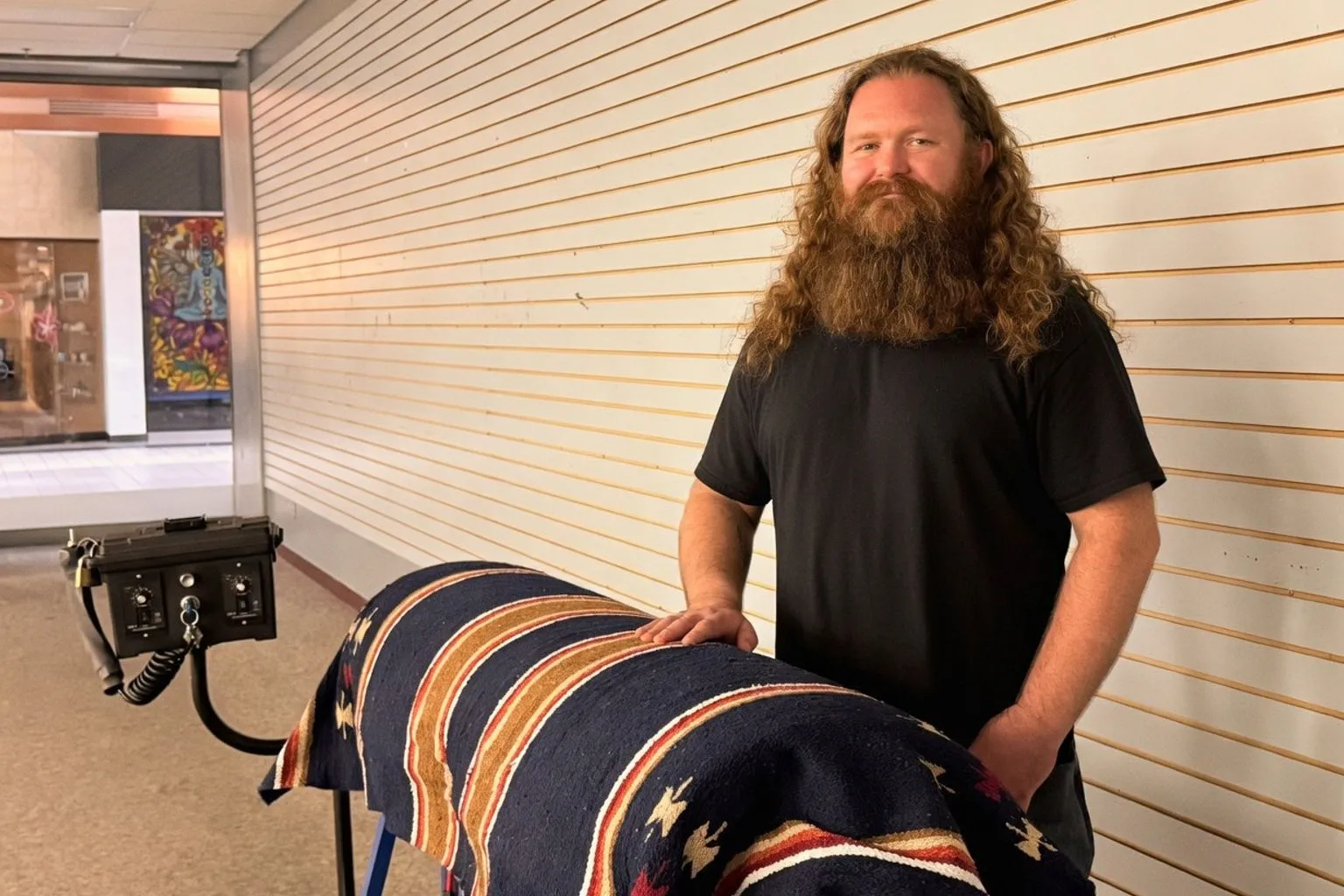
Another September item comes from Wolds Equine Rehabilitation & Training, which released an educational analysis of photobiomodulation in equine bodywork. The report examines tissue penetration, cellular recovery, and the way red light therapy may complement manual palpation and hands-on massage.
The important point for owners is not to turn a new tool into a quick fix. Whether the practitioner is using a palm, fingertips, or an additional modality, the horse’s response still needs to guide the session. A device cannot replace the slow information gathered through palpation, and a calm, yielding tissue response should not be assumed simply because a treatment feels modern.
I would approach this kind of work with the same quiet sequence: observe the horse standing and moving, identify the area that appears guarded, and then ask what the tissue does under gentle contact. Does it soften, remain unchanged, or become more protective? Those distinctions help keep a session grounded in the individual horse rather than in a fixed protocol.
What owners can watch during this September window
The wider cluster of equine stories also includes coverage of a Jupiter Farms nonprofit using horse-assisted therapy with children and adults, as well as a FarmWeekNow report about horse farms attracting a varied group of students at the University of Illinois. The available summaries do not provide enough detail to draw broader conclusions, but together they point toward a field extending beyond competition work and into education, rehabilitation, and human support.
For owners, the practical takeaway is gentle and specific. If you are considering bodywork, ask what the practitioner observes before touching the horse, how responses are recorded, and how the horse’s comfort changes during the session. A thoughtful report should distinguish observation from interpretation and should leave room for veterinary assessment when discomfort persists or movement changes sharply.
I keep returning to the same small moment: the instant a guarded muscle begins to yield beneath a patient hand. That subtle shift is worth noticing, not rushing. As equine training and rehabilitation events continue through September, the strongest lesson may be that skilled care begins with attention—one breath, one palpation, and one honest response from the horse at a time.