Master Your Equine Posture with Robotic Riding Simulators in Aberdeen
According to Aberdeen Insider, Midwest Mind And Body is now offering robotic horse therapy at its Uptown Aberdeen location — a mechanical rig that forces you to ride your own posture instead of…
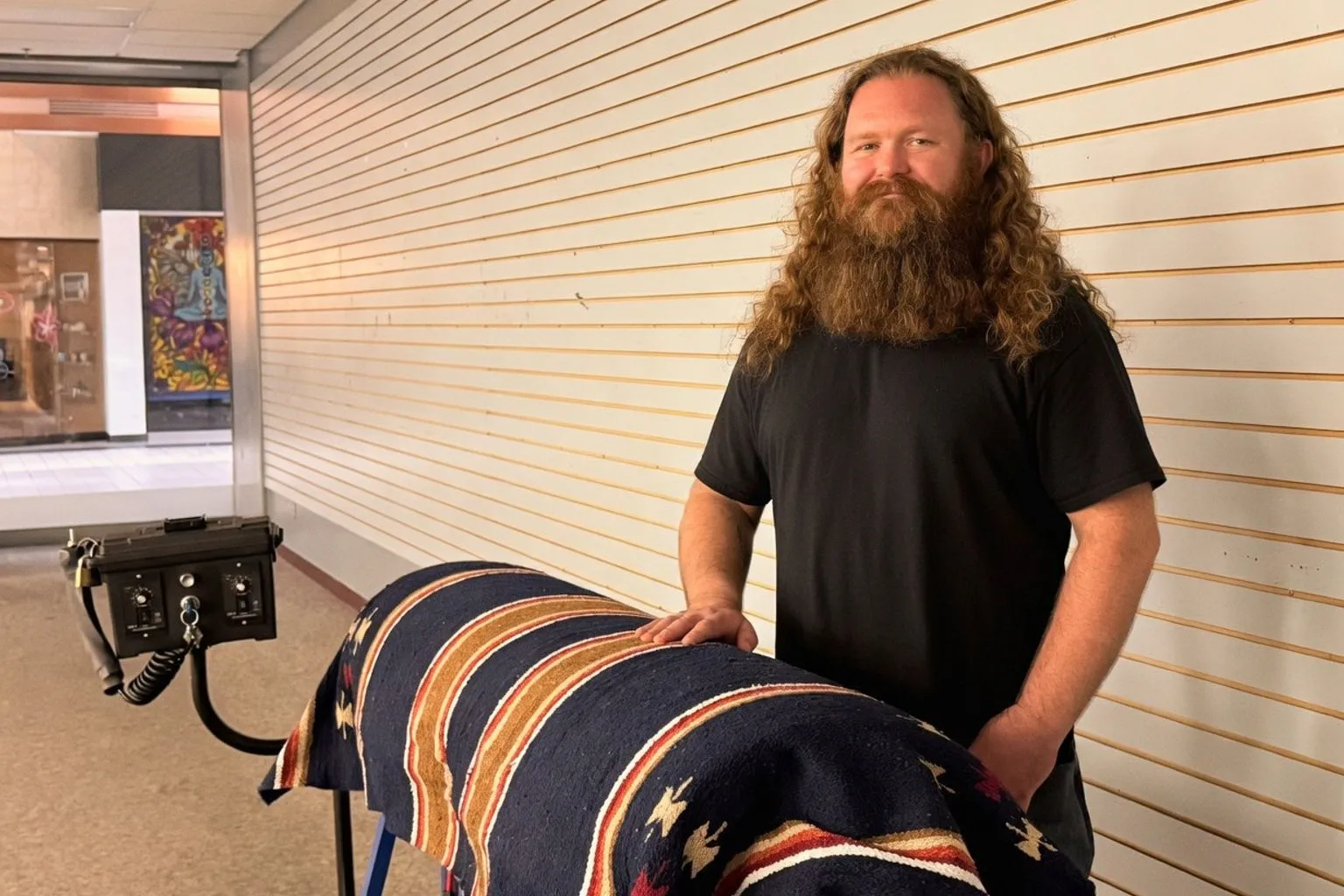
A new off-horse tool just opened in Aberdeen, and if your seat is sloppy you'll find out fast. According to Aberdeen Insider, Midwest Mind And Body is now offering robotic horse therapy at its Uptown Aberdeen location — a mechanical rig that forces you to ride your own posture instead of letting a horse quietly cover your bad habits.
For a rider, this is not a novelty. It's a diagnostic. A real horse forgives. A mechanical horse does not. You sit crooked, the rig tilts. You collapse through your left hip, the simulator shows you in real time. If you've been blaming your horse for the drift, the lead change, the hollow canter — a robotic rig strips that excuse out from under you inside the first ten minutes.
Why a mechanical horse is a rider's diagnostic
The simulator holds a fixed gait pattern. The only moving variable is you. That's the point. It exposes exactly the asymmetries you've been papering over on a living horse. Patterns worth hunting down:
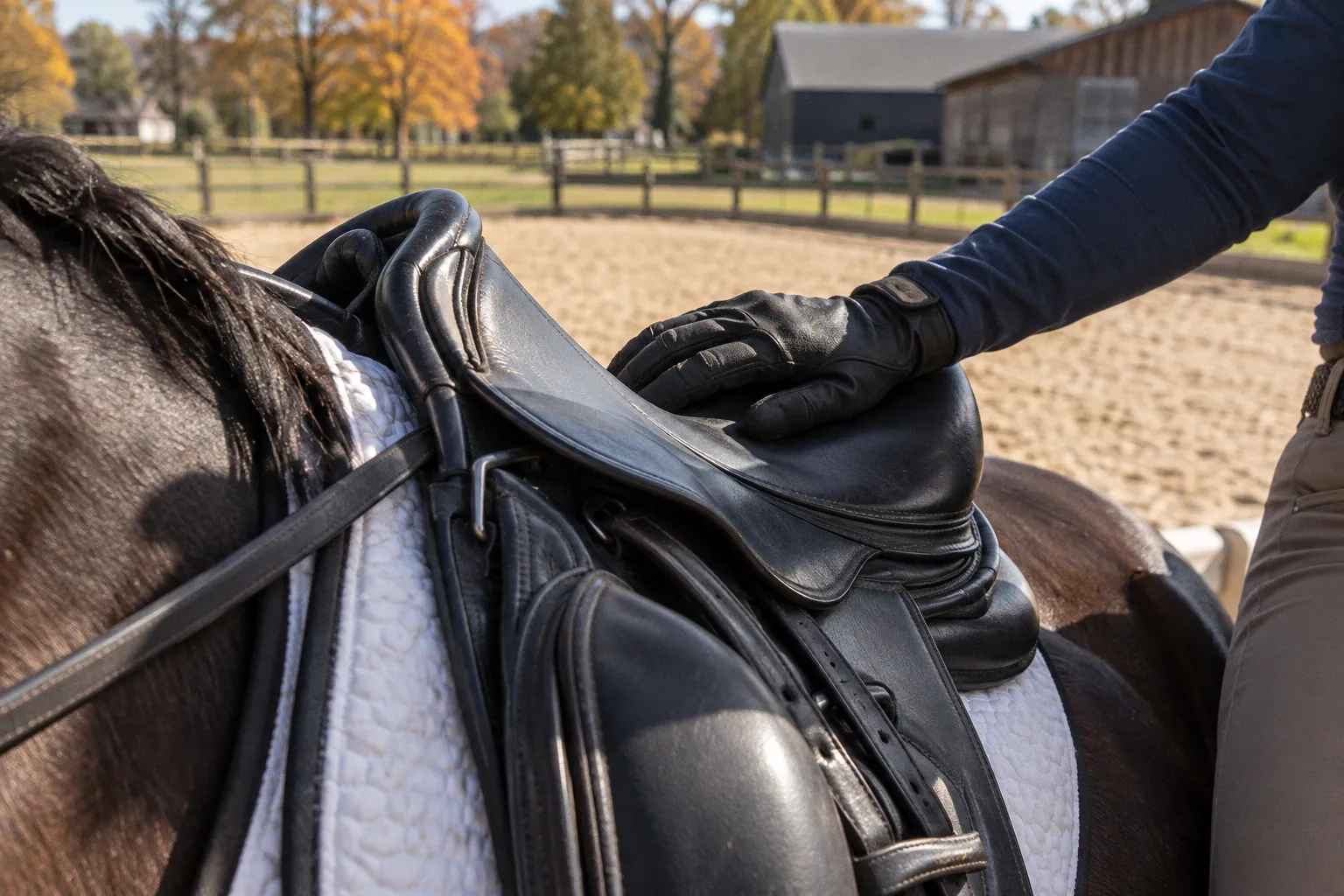
- Pelvic tilt and seat depth. You sit into the saddle or you perch. There's no middle ground on a mech horse — the surface will tell you which one you are.
- Core bracing under motion. Not the plank-style clench. The bracing that absorbs and releases with each stride without you locking your ribs down.
- Independent seat vs. dependent seat. Can you stay centered when the rhythm changes, or do you collapse onto your stirrups the second things speed up?
- Left-right symmetry. The simulator does not lie. Neither should you.
Before you book: rider homework
Don't walk in cold. Walk in with a question about your own body, not a vague "I want to try it." That is the difference between wasting a session and getting data you can actually train off of.
- Do this: Film yourself on your normal horse first. Same drill on the simulator. Compare. Look for the collapse, the shoulder that drops, the hip that rolls forward.
- Not this: Hopping on with no baseline. You will not know what changed, so you will not know what to fix.
- Test: Can you hold a sitting trot without gripping with your knees? If not, that's your first drill, on the ground or on the rig.
- Test: Can you post without your torso rocking forward into a C-shape? If not, your hip flexors are doing the work your core should be doing. No amount of machine time fixes a locked hip.
And one thing — stop blaming the horse. The horse is not the problem. Your asymmetry is the problem. A mechanical horse just makes that painfully visible.
Worth keeping on your radar
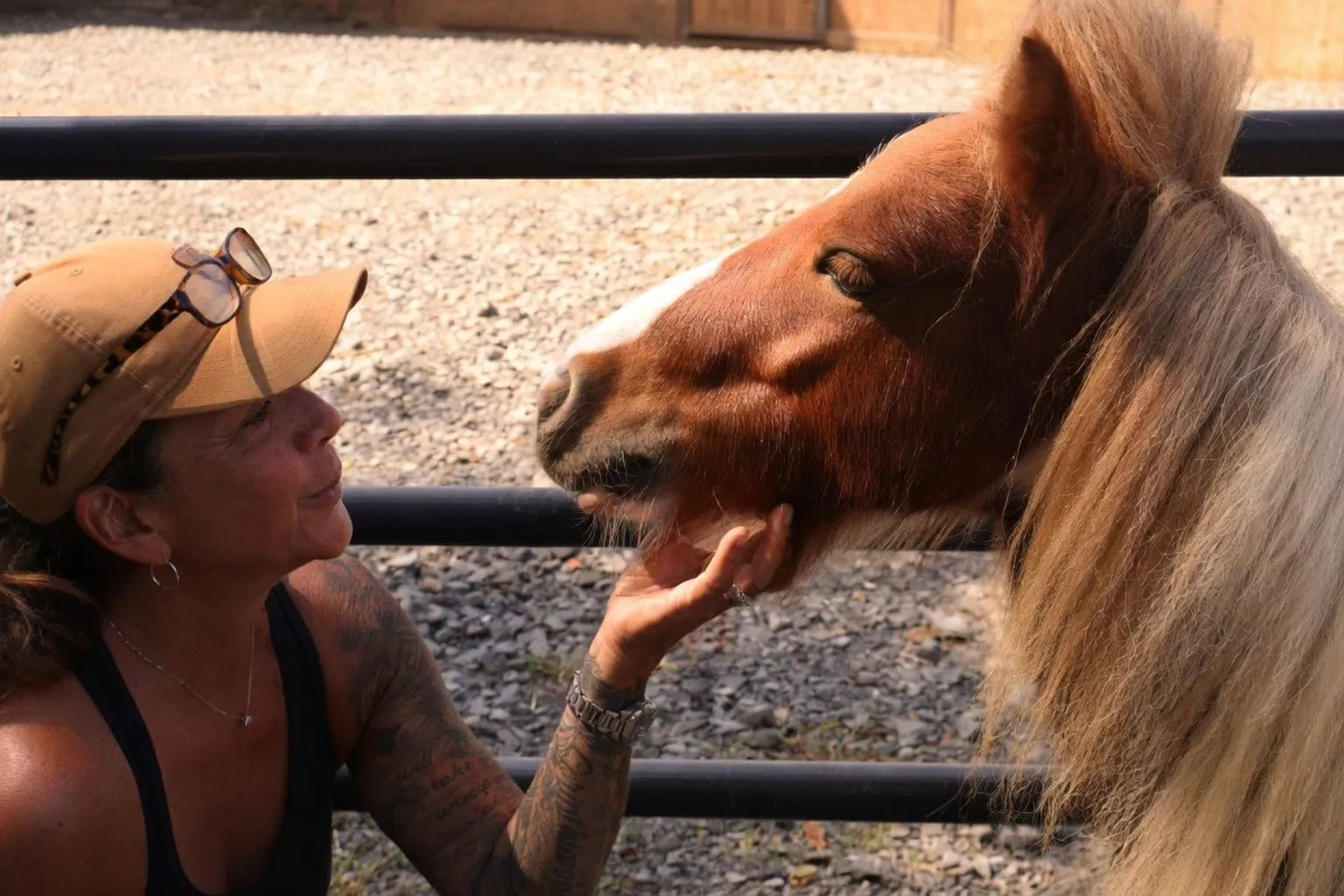
Separately, The Killeen Daily Herald reports Runnin' WJ Ranch is back to horse therapy classes and celebrating 25 years of riding. Different modality — live horses used for therapy riders, not a biomechanics drill — but both belong on the same shelf: how movement, real or simulated, rebuilds a rider's body.
A new simulator in town is only news if you treat it like a diagnostic, not a joyride. Go in with a question about your own body. Leave with data. Then get back on the real horse and actually fix what you found.