British Equestrian’s New Wellness Framework Prioritizes Behavioral Pain Indicators
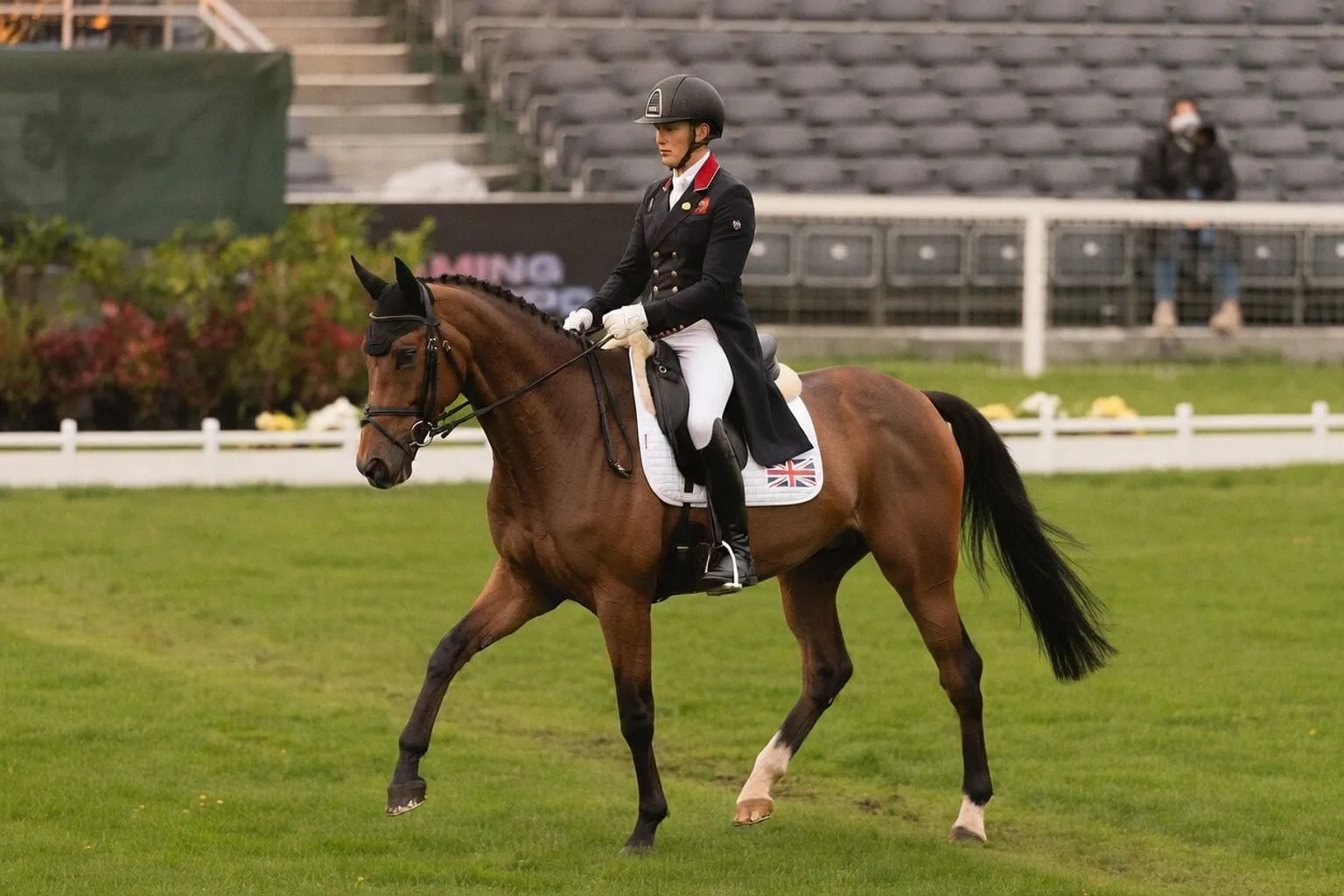
British Equestrian has just published a community-facing resource that, for the first time in a formal national document, gives whole-horse wellness, positive emotional welfare, and the reading of…
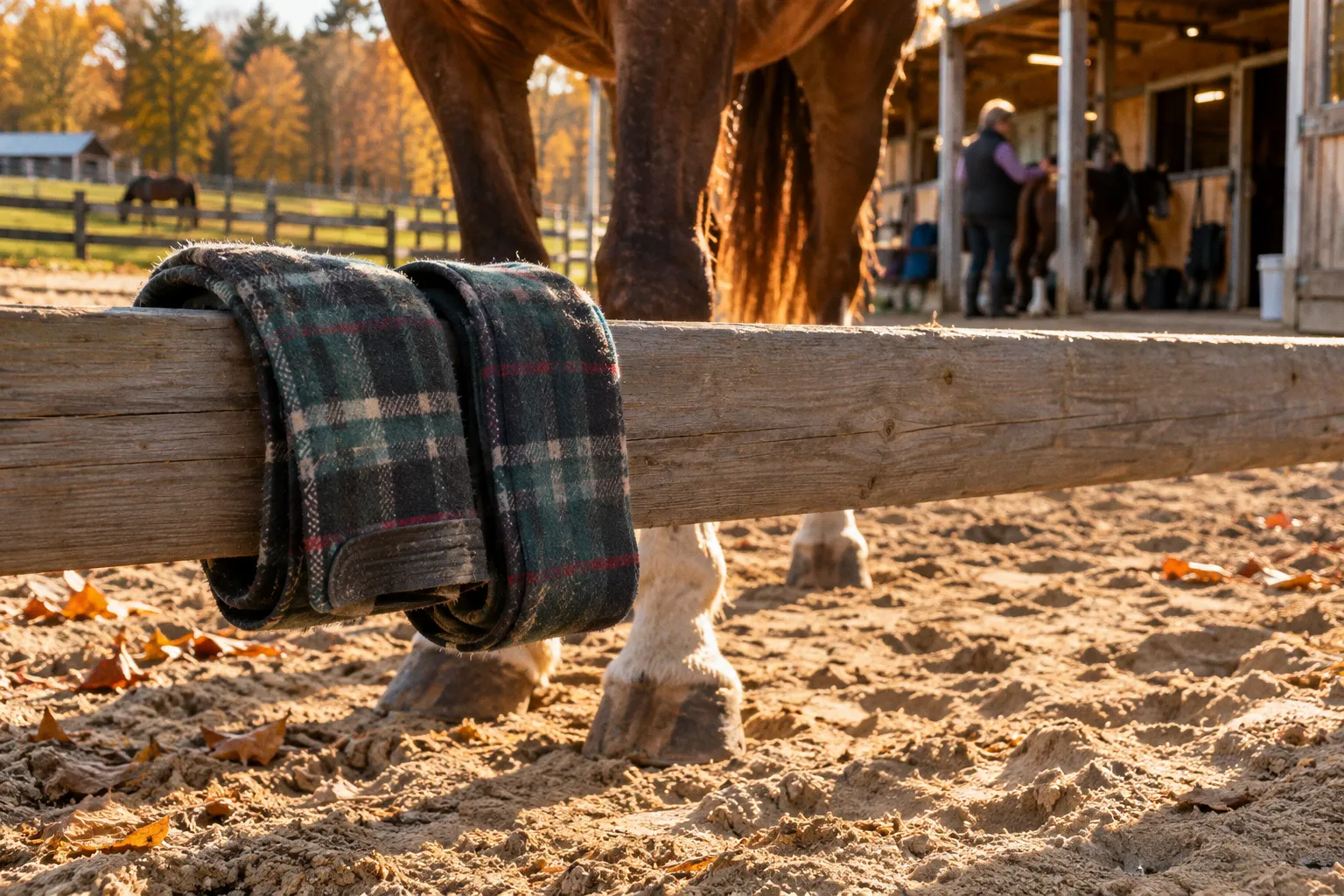
When the horse tells you before the body does
When you walk into the barn tomorrow morning and your horse turns his hindquarters toward you instead of greeting you at the door, pause before you correct the manners. That quiet withdrawal may be the first sentence in a much longer story your hands are about to read. British Equestrian has just published a community-facing resource that, for the first time in a formal national document, gives whole-horse wellness, positive emotional welfare, and the reading of behavioral pain indicators equal billing with soundness itself. For those of us who work through touch, this is the kind of shift we have been waiting for in the wider conversation, and it reshapes how we frame a session, a conversation with a client, or even our own barn routines.
What the guidance actually says — and why it matters to your hands
According to the new British Equestrian guidance, the focus is no longer limited to legs, lungs, and locomotion. The whole-horse frame extends into how the animal feels about his day, his herd, his work, and his handler, and the initiative specifically calls on owners and professionals to recognize behavioral indicators of pain rather than waiting for lameness to declare itself. The language of holistic husbandry and management for long-term soundness and longevity sits at the center of the document. If you are a shiatsu practitioner or a bodyworker who already palpates for tension patterns, this is not new territory for you, but it is now a territory with a national federation standing behind it.
Notice what that does for the conversation at the yard gate. When a rider tells you their horse is "just grumpy at grooming" or "being difficult in the stable," your hands already know the gluteal fascia may be tight, the withers may be guarded, or the thoracic sling may be bracing against old compensation. The guidance simply gives that observation official scaffolding. You no longer have to fight uphill to argue that a behavioral change deserves investigation before the horse moves unevenly.
Where to place your attention during the next session
Here is where I would invite you to slow down. Before your first palpatation stroke, spend a full minute observing. Watch the weight shifts in the forelegs while the horse is at rest in the stable or tied loose. Notice whether the lower lip trembles, whether the eye softens or hardens when you approach the shoulder, whether the ribs spring evenly under your flat hand. These are the behavioral indicators the guidance points toward, and they are exactly the markers that guide the depth of your contact.
When you do begin your touch, let your thumb rest on a known tender point, perhaps along the bladder meridian near the scapula, and ask yourself: does the tissue yield, or does it brace into your pressure? A bracing response on a meridian line that should feel pliant is information. It tells you where the parasympathetic state is unavailable to the horse, and where your work needs to begin gently, in the surrounding tissue, before you ever ask the deeper layer to release.
A simple thing to log between sessions: jot three words about how the horse greeted you and how the same horse greeted you two hours later. Over a fortnight, patterns emerge that no five-minute trot-up will surface. You will begin to see the emotional weather that lives inside the structural one, and you will have a written record that any vet, physiotherapist, or trainer can read at a glance.
What to watch next
The guidance has been published; what matters now is whether the wider equestrian community picks it up or files it. I will be curious to see how riding schools and pony clubs begin to incorporate the emotional-welfare language into their everyday teaching, and whether bodyworkers like us are invited into those conversations rather than arriving after the fact. If you run a clinic, teach workshops, or simply work one-on-one with owners, this is the moment to place a printed version of the principles in plain sight, in your treatment space, so the people you work with understand that what you do under your hands is part of the same picture the federation is now drawing.