Mastering Equine Posture: Biomechanics and Exercises for Better Movement
According to Your Horse, horse posture is a mechanical variable that affects balance, movement, rider comfort and musculoskeletal load.
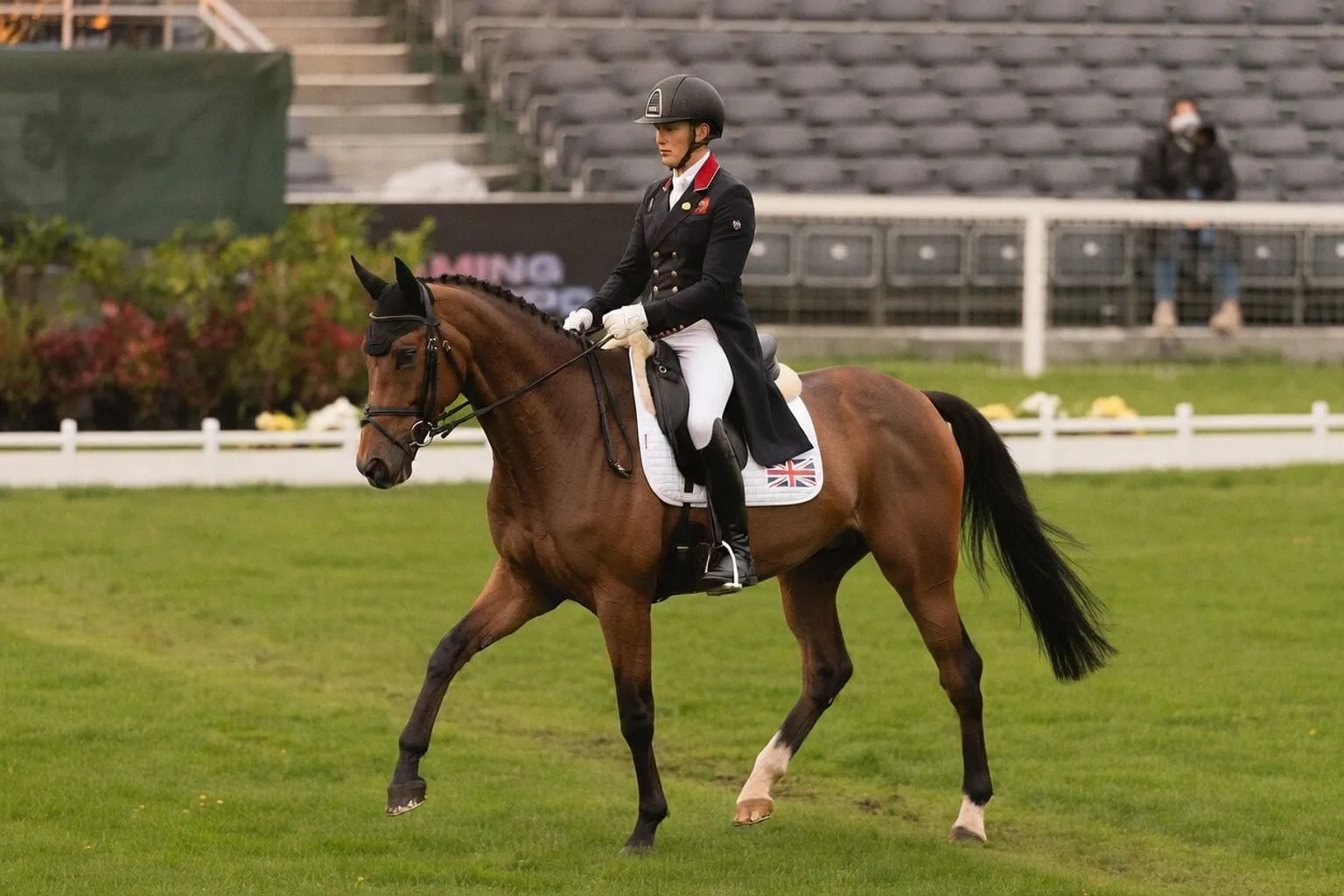
The publication’s analysis, supported by a separate biomechanics breakdown from EquiJump Ltd, treats horse and rider as one kinetic system rather than two independent structures. Small changes in head carriage, hindlimb position or pelvic balance can alter how the back supports movement.
The back responds to head, neck and hindlimb position
A horse with effective posture generally stands square and balanced. The cannon bones are perpendicular to the ground, while the centre of mass sits behind the elbows and below the rider’s position.
The neck and back are connected through the nuchal and supraspinous ligaments. The nuchal ligament runs from the back of the head toward the withers and continues along the back as the supraspinous ligament. Its tension changes with head and neck position.
When the head is raised, the ligament becomes less taut and the back can drop. When the head lowers, the ligament is placed under greater tension, contributing to elevation through the back. This is a kinematic relationship, not a cosmetic frame.
The hindlimbs provide a second postural control point. If they remain extended behind the pelvis, they are less able to support the back. When they step further underneath the body, the horse has greater access to support through the lumbosacral junction and the hindlimb joints.
This distinction matters during daily handling. Postural deficits are not limited to ridden work. Standing, halting and backing can all reveal how the horse positions its limbs relative to the pelvis.
The rider changes the load pathway
The rider’s position influences the horse’s spinous processes, balance and movement. According to the material reviewed by Your Horse, sitting on the back brings the spinous processes closer together and can increase stress on joints, tendons and ligaments when posture and load distribution are poorly controlled.
EquiJump describes the pair as a unified kinetic system. The rider’s head, ribcage and pelvis should remain naturally aligned, with weight distributed through both seat bones and the lower leg resting beneath the hip. A neutral pelvis allows the seat bones to point downward while the lower back remains long and relaxed.
Two common biomechanical deficits are identified. In a tucked pelvis, often associated with a chair seat, the seat shifts behind the rider and the lower leg moves forward. In a forward or perched position, the upper body tips ahead and weight moves toward the front of the pelvis. Both alter the rider’s stability and may restrict the horse’s back or interfere with stride mechanics.
Core control should provide elastic support rather than rigid fixation. Excessive tension can block movement. Insufficient support can produce upper-body collapse or instability. The thigh should rest against the saddle without gripping, and the heel should lower through relaxed leg alignment rather than forced pressure.
Two practical exercises to observe posture
The first exercise is performed in hand. Ask the horse to halt and assess the hindlegs in relation to the pelvis. The objective is not to force a specific outline. It is to observe whether the hindlimbs remain behind the body or move underneath it.
The second exercise is controlled backing. With the head and neck lowered, ask the horse to take several backward steps at the same speed used for walking forward. The exercise encourages the hindlimbs to come further under the body and increases flexion through the lumbosacral junction and hindlimb joints, according to the source material.
This can be incorporated into routine handling, such as asking for a few controlled steps while moving toward the field. The relevant markers are clear: consistent rhythm, lowered head and neck, hindlimb placement beneath the body and absence of abrupt changes in speed.
For ridden work, the equivalent assessment is the rider’s alignment. At walk, a small pelvic movement between tucked and tipped-forward positions can help identify the neutral midpoint. During rising trot, the rider can observe whether the upper body remains stable without pulling on the reins for balance.
Posture should therefore be tracked through observable mechanics: limb position, pelvic alignment, back elevation, rhythm and rider stability. These are the measurable components of a horse-and-rider system with greater load tolerance.